
Contact our professional mobile app development company and get the treatment you and your business deserve
ABOUT US
AMAG – Accomplished London-Based Mobile App Development Agency
Blood Pressure for CDL: Understanding the Guidelines
19.11.2024
Introduction to Commercial Driver's License (CDL) Requirements
Obtaining a Commercial Driver's License (CDL) is a crucial step for individuals looking to pursue a career in commercial driving . CDL holders are responsible for operating large vehicles such as trucks and buses, and as such, must meet certain requirements to ensure they are fit to safely operate these vehicles on the road. One important aspect of CDL requirements is the consideration of blood pressure levels.
Commercial drivers are held to specific health standards to ensure they can perform their duties safely and effectively. High blood pressure, also known as hypertension, is a common health condition that can impact a driver's ability to operate a commercial vehicle . Understanding the guidelines for blood pressure levels is essential for CDL holders to maintain their license and continue working in the industry.
Importance of Blood Pressure Monitoring for CDL Holders
Blood pressure monitoring is a crucial aspect of maintaining a Commercial Driver's License (CDL) due to its impact on driver safety and overall health . CDL holders are required to meet specific medical standards to ensure they can safely operate commercial vehicles . High blood pressure, also known as hypertension, is a common condition that can pose serious risks to drivers and others on the road.
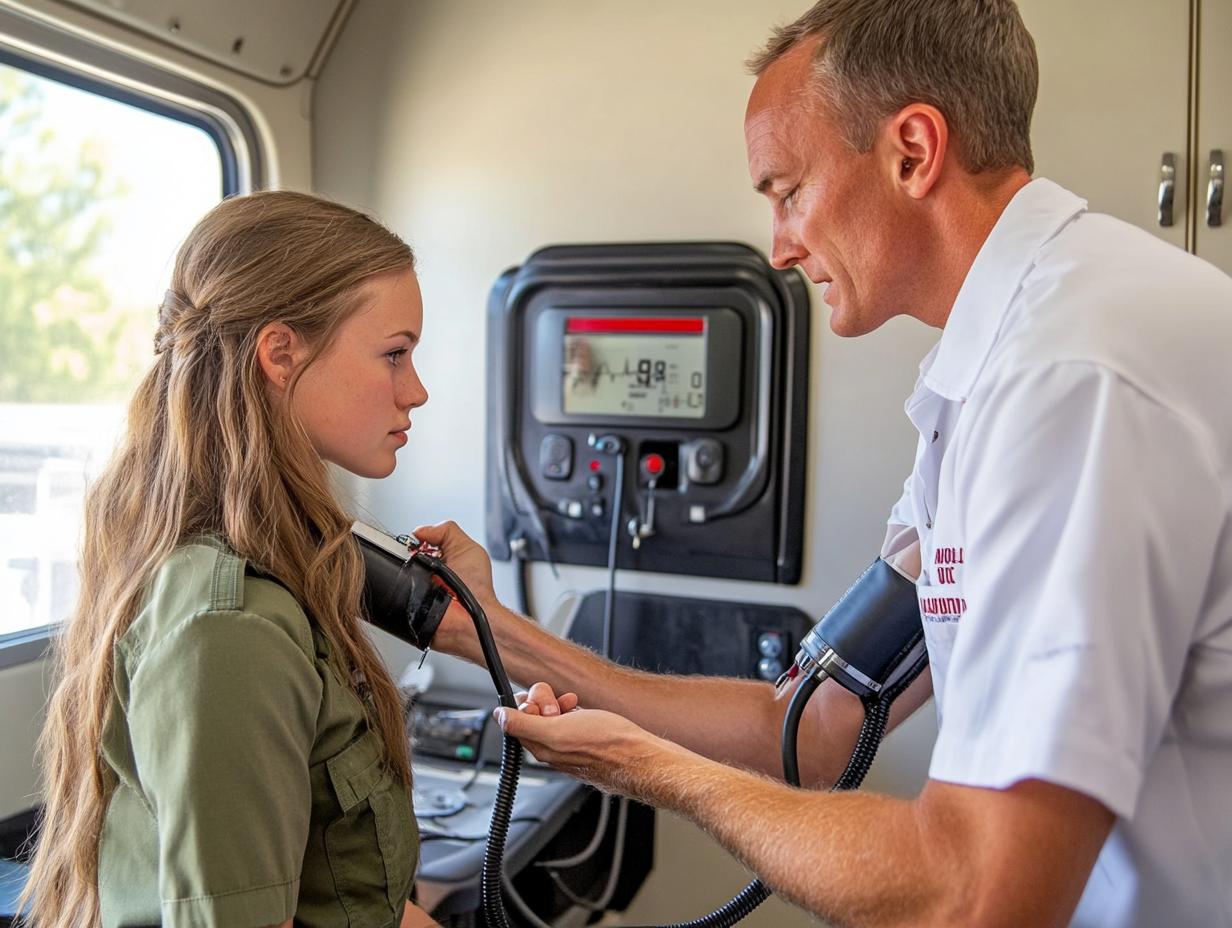
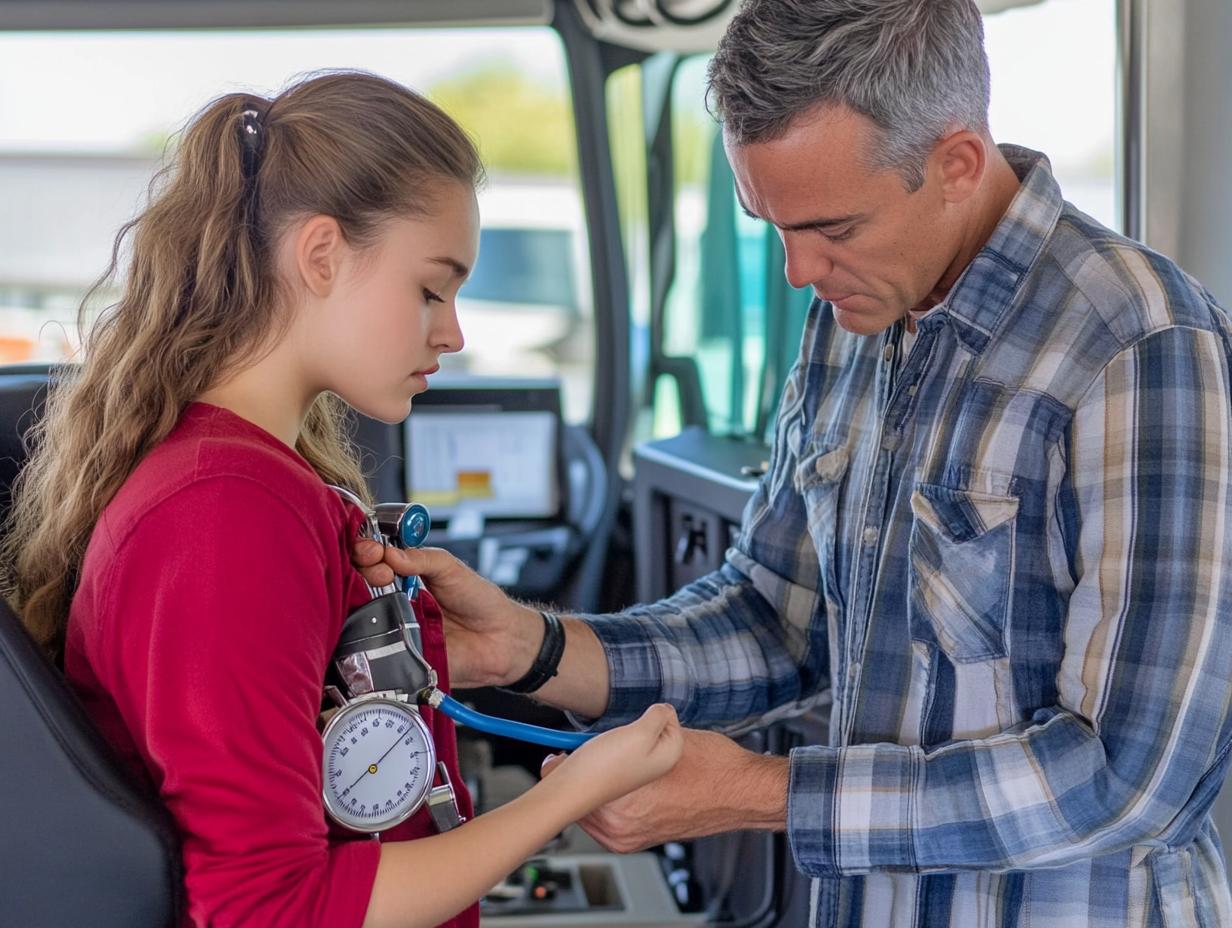
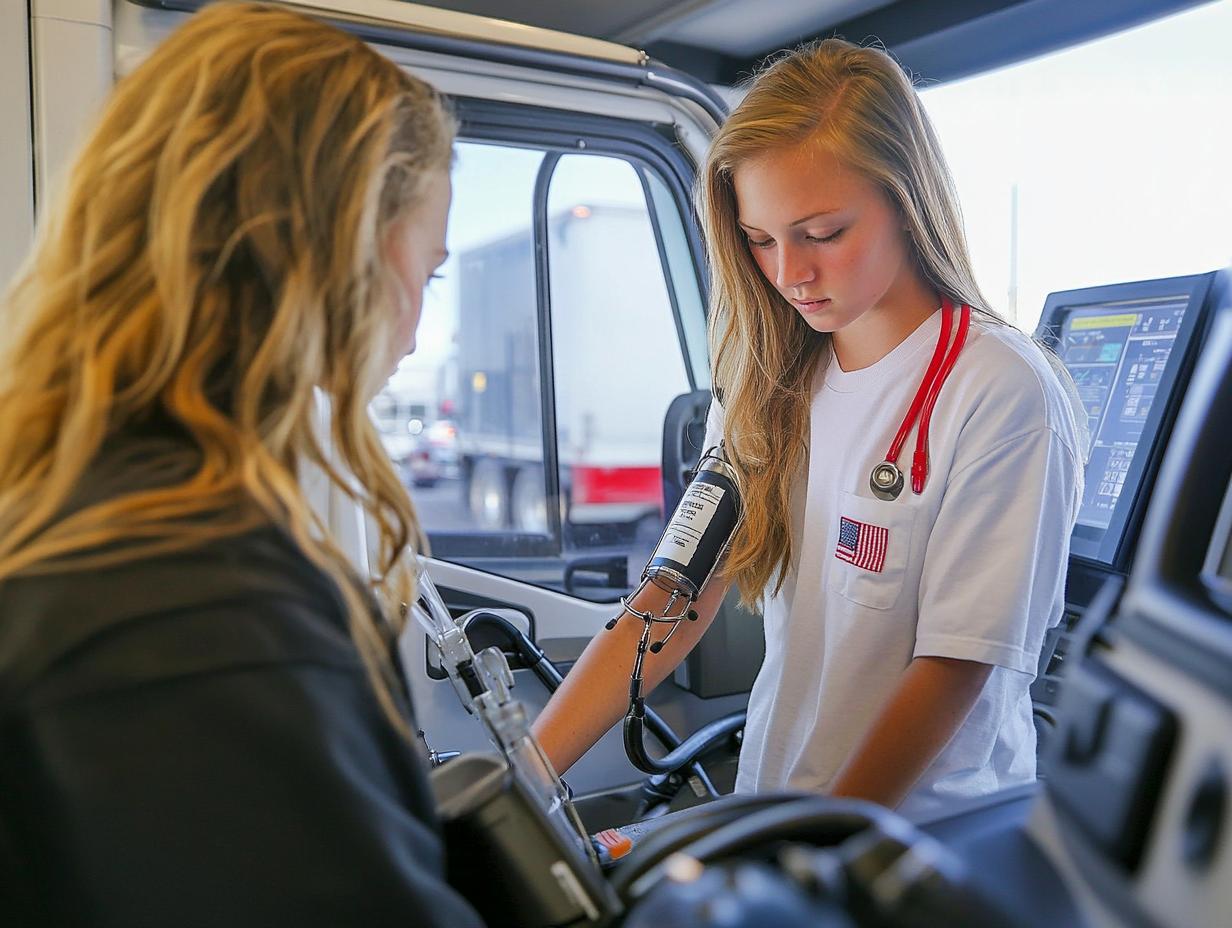
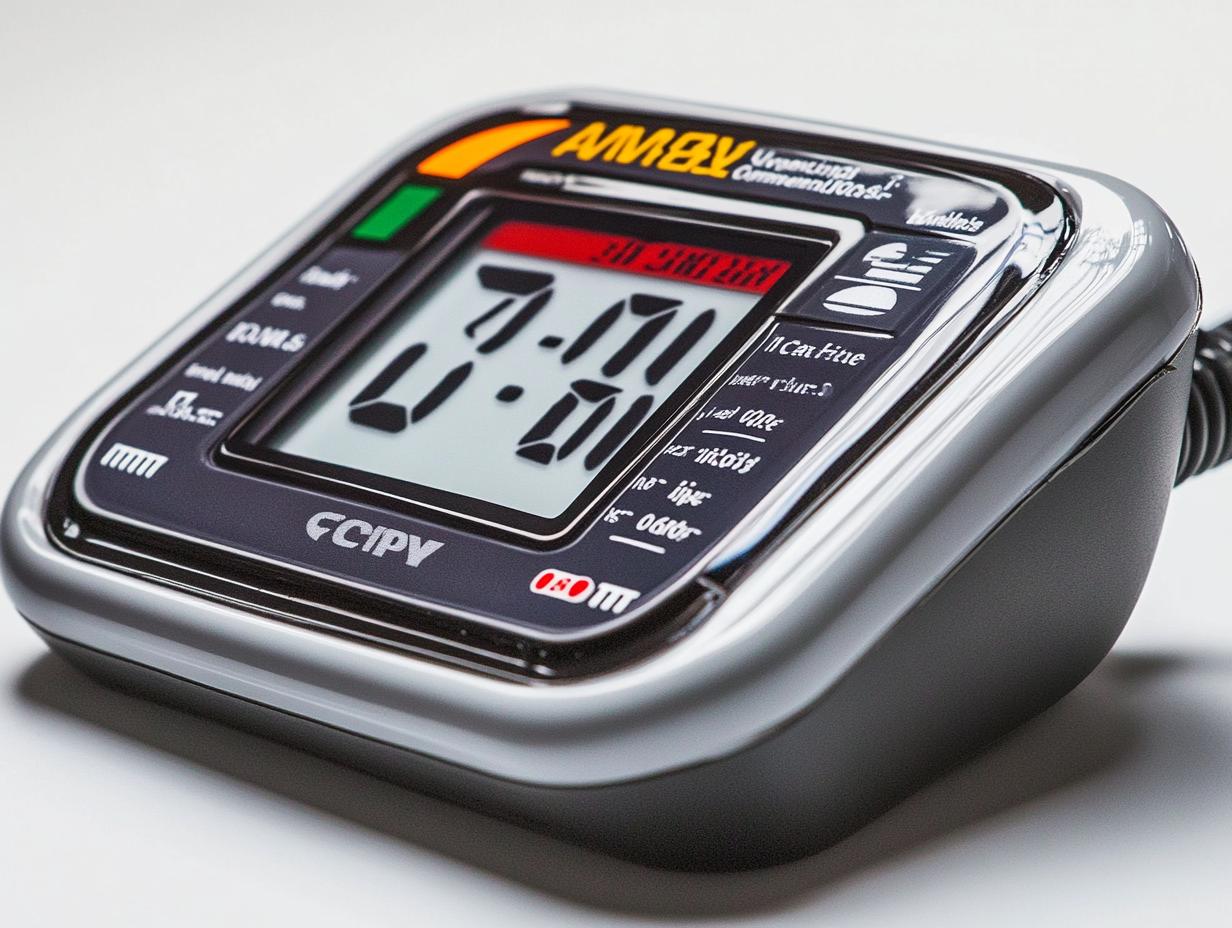
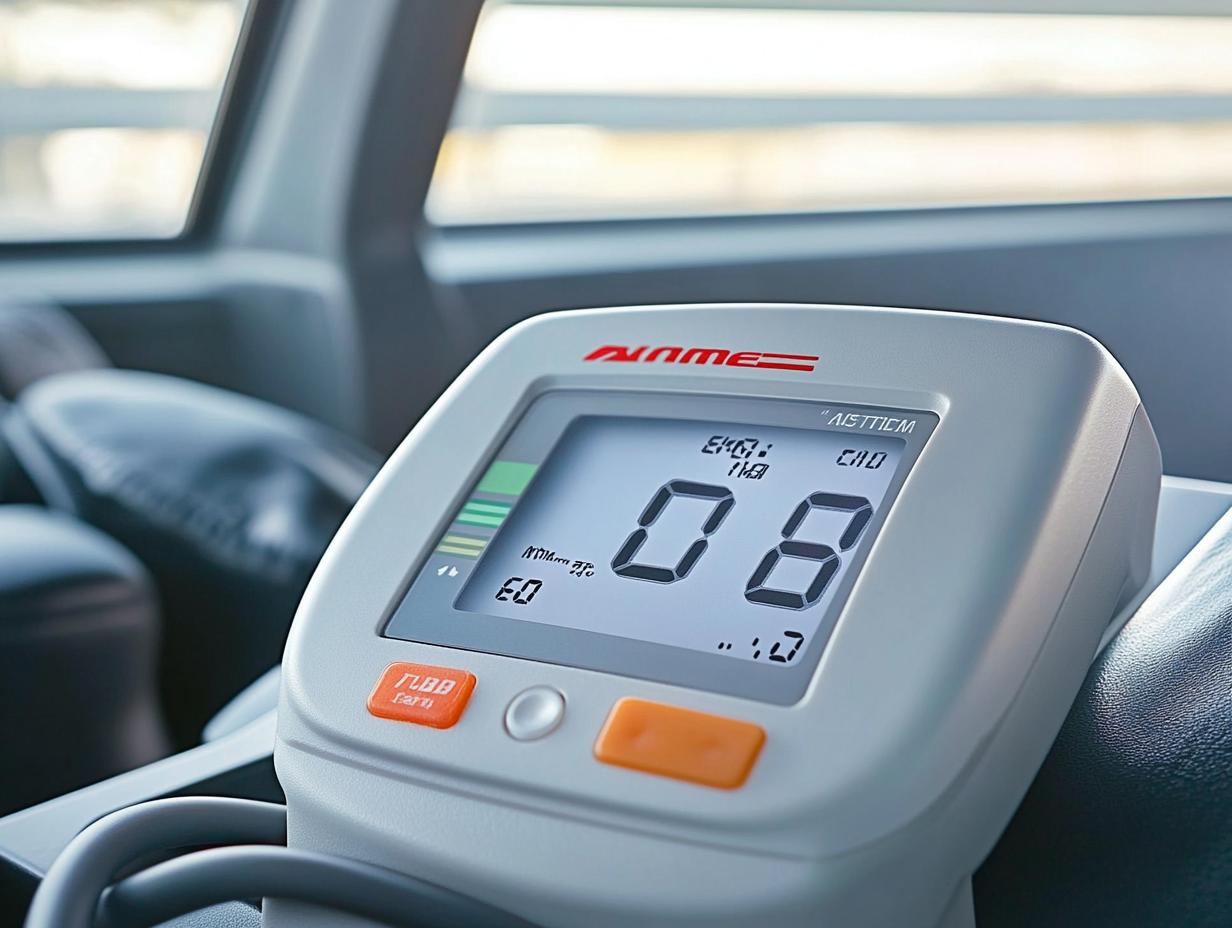
Regular blood pressure monitoring is essential for CDL holders to detect and manage hypertension effectively. Elevated blood pressure can lead to symptoms such as dizziness, fatigue, and shortness of breath, which can impair a driver's ability to operate a vehicle safely. By monitoring blood pressure regularly, CDL holders can identify any potential issues early on and take necessary steps to address them.
In addition to the safety implications, maintaining healthy blood pressure levels is crucial for the overall well-being of CDL holders. Hypertension is a significant risk factor for heart disease, stroke, and other serious health conditions. By monitoring their blood pressure regularly, CDL holders can work with healthcare providers to develop a plan to control their blood pressure and reduce their risk of developing these conditions.
Furthermore, compliance with blood pressure monitoring requirements is essential for CDL holders to maintain their license . The Federal Motor Carrier Safety Administration (FMCSA) mandates that CDL holders undergo regular medical examinations, including blood pressure monitoring, to ensure they are fit to drive. Failure to meet these requirements can result in the suspension or revocation of a CDL.
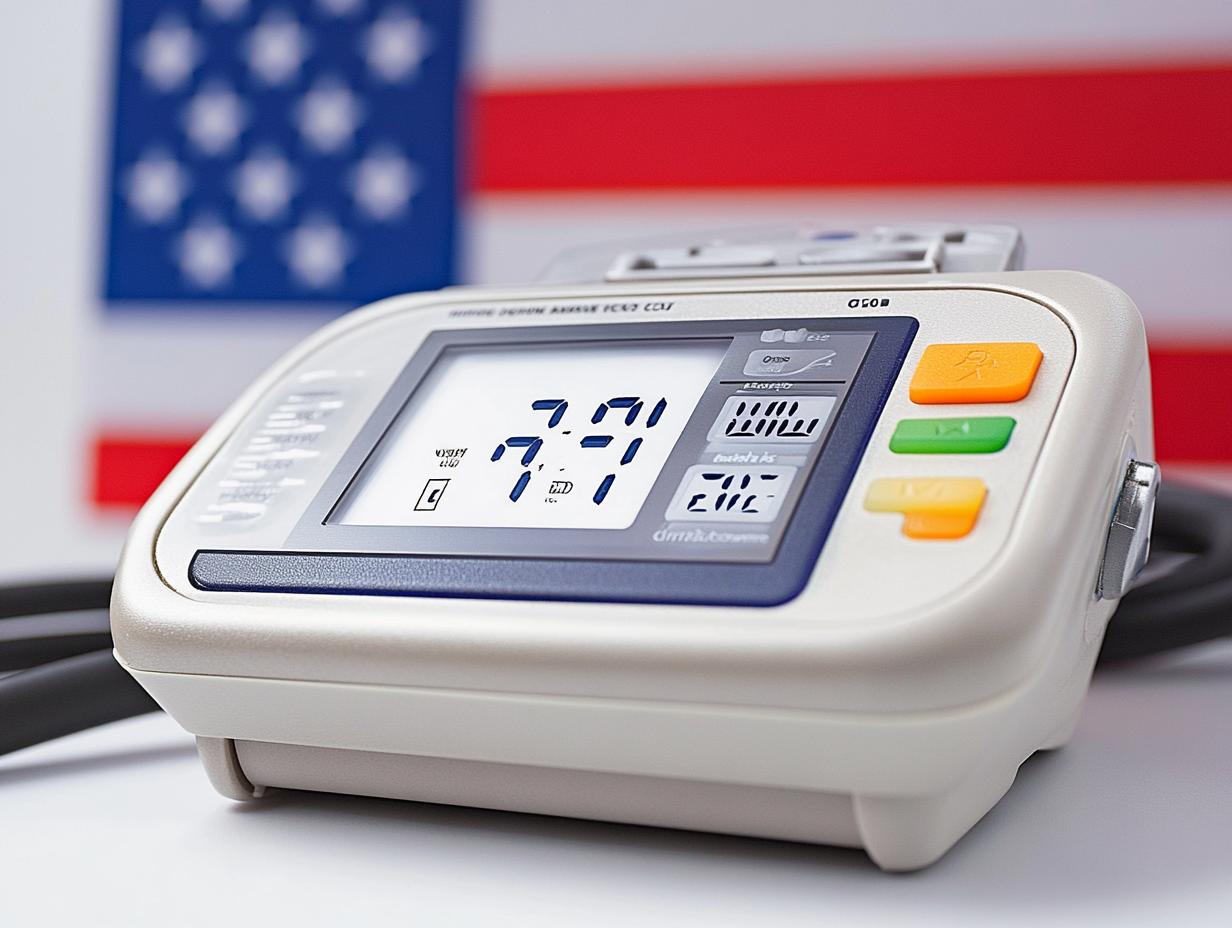
In conclusion, blood pressure monitoring plays a vital role in the health and safety of CDL holders. By staying vigilant about their blood pressure levels, CDL holders can protect themselves, their passengers, and other road users from the potential risks associated with hypertension. Regular monitoring, in conjunction with appropriate medical care, is key to maintaining a healthy and active career as a commercial driver.
Guidelines and Regulations for Blood Pressure Levels
Understanding the guidelines and regulations for blood pressure levels is crucial for commercial drivers holding a Commercial Driver's License (CDL). The Federal Motor Carrier Safety Administration (FMCSA) sets specific standards to ensure the safety of drivers and others on the road.
For CDL holders, the FMCSA requires that blood pressure levels be below 140/90 mmHg. This standard is in place to minimize the risk of cardiovascular events while driving. It is important for drivers to monitor their blood pressure regularly and take necessary steps to keep it within the acceptable range.
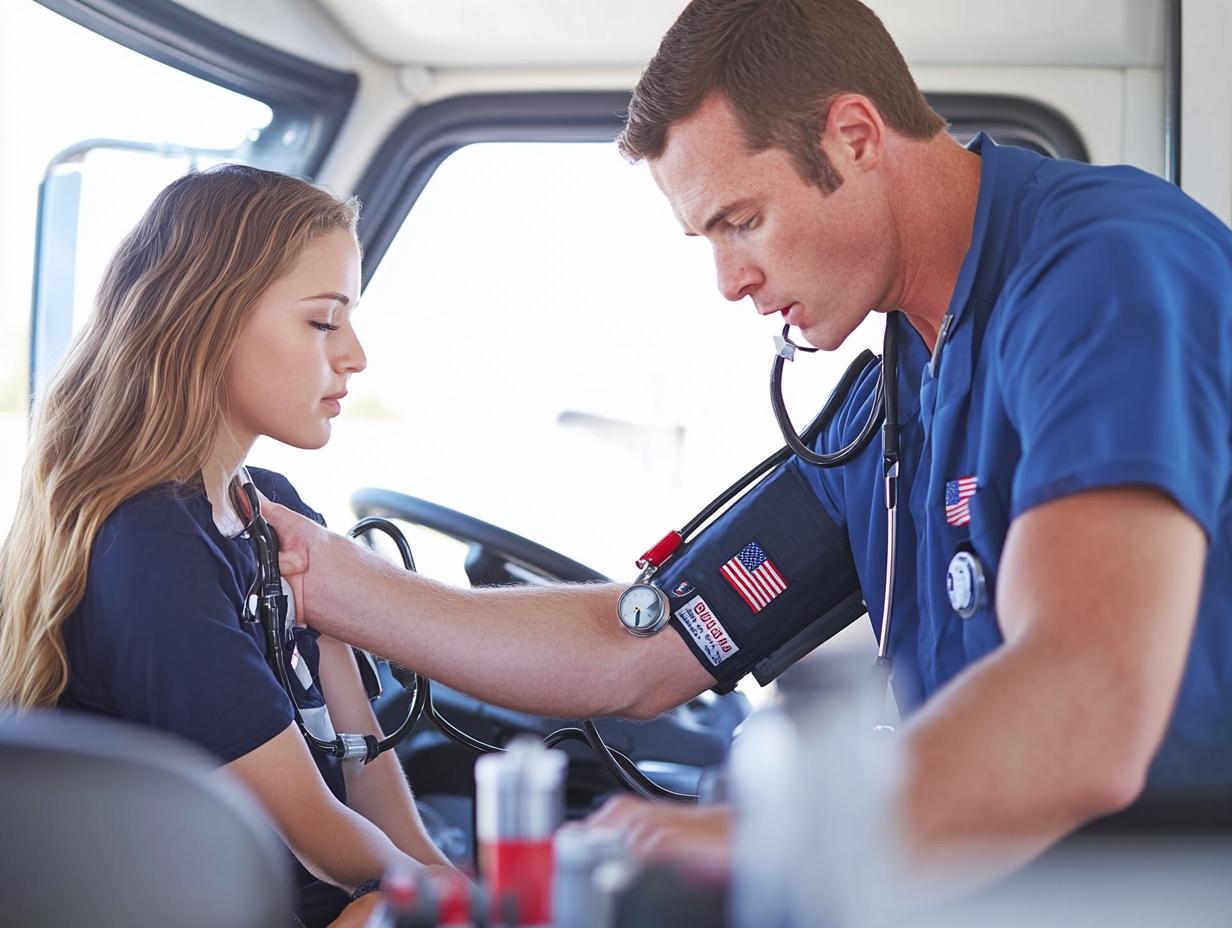
Drivers with blood pressure readings consistently above the 140/90 mmHg threshold may be deemed medically unfit to operate commercial vehicles . In such cases, drivers are required to work with healthcare providers to manage their blood pressure effectively before resuming driving duties.
It is recommended that CDL holders undergo regular medical examinations to assess their overall health, including blood pressure levels. By staying proactive about their health and following the FMCSA guidelines , drivers can maintain their CDL status and ensure the safety of themselves and others on the road.
In conclusion, adherence to the guidelines and regulations for blood pressure levels is essential for CDL holders. By prioritizing their health and monitoring their blood pressure levels, drivers can contribute to a safer driving environment and maintain their eligibility to operate commercial vehicles.
Tips for Maintaining Healthy Blood Pressure as a CDL Holder
As a commercial driver's license (CDL) holder, maintaining healthy blood pressure is crucial for both your well-being and your ability to safely operate a commercial vehicle. Here are some tips to help you keep your blood pressure in check:
- Monitor Your Blood Pressure Regularly: It's important to monitor your blood pressure regularly, especially if you have a history of high blood pressure. Keep track of your readings and consult with your healthcare provider if you notice any concerning trends.
- Maintain a Healthy Diet: Eating a balanced diet rich in fruits, vegetables, whole grains, and lean proteins can help lower your blood pressure. Limiting your intake of sodium, saturated fats, and added sugars is also important for maintaining healthy blood pressure levels.
- Stay Active: Regular physical activity is key to managing blood pressure. Aim for at least 150 minutes of moderate-intensity exercise per week, such as brisk walking, cycling, or swimming. Consult with your healthcare provider before starting any new exercise routine.
- Manage Stress: Chronic stress can contribute to high blood pressure. Find healthy ways to manage stress, such as practicing mindfulness, deep breathing exercises, or engaging in hobbies you enjoy.
- Limit Alcohol and Caffeine Intake: Excessive alcohol and caffeine consumption can raise blood pressure. Limit your intake of alcoholic beverages and caffeinated drinks to help maintain healthy blood pressure levels.
- Get an Adequate Amount of Sleep: Lack of sleep can affect your blood pressure. Aim for 7-8 hours of quality sleep per night to support overall health and well-being.
By following these tips and working closely with your healthcare provider, you can take proactive steps to maintain healthy blood pressure levels as a CDL holder.
Conclusion and Resources for Further Information
In conclusion, understanding the guidelines for blood pressure requirements for Commercial https://newjobs4you.com/blogs/trucking-law/blood-pressure-cdl-limits-dot-physical-requirements/ Driver's License (CDL) holders is crucial for ensuring road safety and compliance with regulations. By maintaining a healthy blood pressure level, CDL drivers can reduce the risk of accidents and protect their own health.
For further information on blood pressure management and monitoring, drivers can consult their healthcare providers for personalized advice and treatment plans. It is important for CDL holders to regularly monitor their blood pressure levels and take necessary steps to keep it within the recommended range.
Additionally, drivers can refer to resources provided by the Department of Transportation (DOT) and the Federal Motor Carrier Safety Administration (FMCSA) for detailed guidelines on blood pressure requirements for CDL holders. Staying informed and proactive about blood pressure management is essential for the safety and well-being of CDL drivers and others on the road.